SourcePoint Therapy
Working with the energetic field, with little or no touch—a gentle practice that supports a return to innate health.
SOURCEPOINT THERAPY
What Is SourcePoint Therapy?
SourcePoint Therapy® (SPT) is a form of energy work that uses minimal touch to reconnect the body with the information that supports its innate health—its Blueprint. Simple yet deep and comprehensive, it works with structure, emotion, and spirit.
ORIGIN
Born from Zen, Art, and Clinical Practice
SPT was developed by Donna Thomson and Bob Schrei, both Rolfers and long-time Zen practitioners. Bob spent time in Obama, Fukui, Japan, and developed deep interests in art, architecture, geometry, healing, and intuition.
SPT grew from the observation that Ida Rolf’s emphasis on the importance of energetic flow had not yet been systematized. It developed as a way to work beyond Rolfing’s structural approach and address that flow directly. Its beginning came as Donna applied insights from Zen meditation while working with challenging clinical cases.
BLUEPRINT
The Body’s Blueprint
At the heart of SPT is the idea that the body has a Blueprint that guides it toward its original state of health. The work draws inspiration from diverse sources, including Native American wisdom, Tibetan medicine, Kabbalah, and modern theories of informational fields.
One metaphor is to imagine the field as the internet: search for “health,” download the Blueprint, and allow the process to unfold. This is energy work grounded not in intellectual control, but in trust in the process.
HOW IT WORKS
Accessing the Information of Health
With minimal touch, the practitioner accesses specific points around and within the body, supporting the body’s reconnection with healthy information. The practitioner does not “send energy”; instead, the session creates conditions in which the recipient’s own field can begin to organize itself.
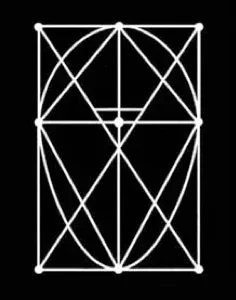
Diamond / Rectangle / Sacral Point
Foundational points used to connect with the Blueprint.
Guardian Point
A point that acts like a structural chaperone, supporting reintegration of original function.
Scan
A method for locating and gently releasing obstructions in the field.
FOR YOU
Who It May Be For
- People seeking deeper self-regulation
- People wishing to release held trauma or emotion
- People experiencing chronic fatigue, stress, or heaviness
- People looking for gentle, body-friendly healing work
- Rolfing clients who want to deepen integration
SESSION
Session Information
For: those seeking deep self-regulation, energetic balance, or support in releasing trauma and emotion
Purpose: to support the relationship between the body’s energetic field and its structure
Possible experience: a renewed sense of safety, mind-body integration, release, and deep rest
Fee: ¥23,000 (tax included); may also be combined with Rolfing when appropriate
FAQ
Frequently Asked Questions
Q. What is SourcePoint Therapy?
SourcePoint Therapy® (SPT) is energy work using minimal touch to help the body reconnect with the Blueprint of its innate health. Developed by Rolfers and Zen practitioners Donna Thomson and Bob Schrei, it is distinctive in addressing structural, emotional, and spiritual dimensions together.
Q. What is the “Blueprint”?
It is the idea that the body contains a template guiding it toward its original healthy state. A common metaphor imagines the field as the internet: search for “health,” download the Blueprint, and then allow the process. The work trusts the process rather than trying to control it through knowledge.
Q. Do you touch the body?
The practitioner may touch specific points around or on the surface of the body very lightly, or work without contact. The aim is not to send energy, but to create conditions in which the recipient’s own field can begin to organize itself.
Q. What points and methods are used?
Methods include the Diamond, Rectangle, and Sacral Points for connecting with the Blueprint, the Guardian Point for structural reintegration, and the Scan for locating and gently releasing obstructions in the field. These are simple procedures requiring no elaborate ritual or special equipment.
Q. Is it a religious or spiritual practice?
No particular religion or belief is required. Although SPT draws inspiration from Native American wisdom, Tibetan medicine, Jewish mysticism, and theories of informational fields, recipients are not asked to adopt any belief or faith.
Q. What might I feel during a session? What if I feel nothing?
Experiences vary widely and may include deep relaxation, warmth, or a sense of spaciousness. A lack of strong sensation does not mean nothing is happening; changes may unfold over several days. Intensity of sensation is not a measure of effectiveness.
Q. Can it be combined with Rolfing?
Yes. Working structurally through Rolfing while supporting the field through SPT can sometimes deepen integration. SPT can also be received on its own.
Q. Who may benefit from SPT?
It may suit people seeking deeper self-regulation, release of held trauma or emotion, or support with chronic fatigue, stress, or heaviness. Because the work is not forceful, it may also suit those who prefer a gentle approach.
Q. Is this a substitute for medical treatment?
SPT is not medical care and is not intended to diagnose or treat disease. If you are receiving medical treatment, please continue to work with your physician.
Q. What are the fee and session length?
The fee is ¥23,000 per session, including tax. Please allow about 90 minutes including consultation.
For payment and other questions common to all services, see Start Here .
Background and further reading
In this guide
- What is SourcePoint Therapy?
- Background of Its Founders – A Journey through Zen, Art, and Energy
- From Meditation to Clinical Practice – Sessions Rooted in Experience
- What is “Health template”? – The Blueprint of the Body
- What Happens When We Access Health template/field?
- SPT and Shamanism – A Shared Emphasis on “Relational Healing”
- What SPT Aims to Do
- Recommended For:
- Source Point Therapy Overview
- Conclusion
What is SourcePoint Therapy?
SourcePoint Therapy® (SPT) is an energy-based modality that reconnects the body to the information—called the Blueprint—that supports its inherent health, using only minimal physical touch.
It is a simple yet deeply comprehensive approach that works on all levels: structural, emotional, and spiritual.
Background of Its Founders – A Journey through Zen, Art, and Energy
SPT was developed by Bob Schrei, a Certified Advanced Rolfer, and Donna Thomson, an intuitive and teacher of meditation. Both are longtime practitioners of Zen.
Bob Schrei held a deep interest in art, architecture, geometry, healing, and intuition.
His quest extended beyond Rolfing’s structural approach—he sought to understand how to work with the flow of energy.
The therapy emerged from a concern that the “importance of energy flow,” as spoken of by Ida Rolf during her lifetime, had not yet been systematized.
From Meditation to Clinical Practice – Sessions Rooted in Experience
SPT originated in 1986, when Bob Schrei, then working as a Rolfer, had a client he was finding hard to help. He put the question to Donna in an awareness session, and the answer that came was to work on the right side, outward along a line from the navel.
He approached that single spot for about two years. When he asked again two years on, one point after another began to appear, and in time the work was built into a system.
The information that came through the awareness sessions was carried into practice by Bob Schrei, the Rolfer of the two. Working with it session by session, he found that substantial change could occur without touching the body directly, and it was through that accumulated practice that the work took shape as a system.
It spread through word-of-mouth among the Rolfing community and was eventually established as SourcePoint Therapy®.
What is “Health template”? – The Blueprint of the Body
At the core of SPT is the belief that the body contains an inherent Blueprint—an energetic template that guides it toward health and order.
This concept draws inspiration from a variety of sources, including Native American wisdom, Tibetan medicine, Kabbalah, and modern physics’ field theories.
It can be likened to accessing the Internet through the body’s energy field—searching for “health” and downloading the Blueprint.
It is not about acquiring knowledge but trusting the process. SPT is an energy practice rooted in this trust.
What Happens When We Access Health template/field?
SPT guides the body to reconnect with health template by accessing specific points in and around the body through minimal touch.
Practitioners do not “send energy.” Rather, they create a space in which the client’s energy field can begin to work on its own, connecting with well-organized information.
Each point accessed affects the body on physical, emotional, and mental levels, drawing out the body’s natural healing potential.
It is a holistic modality that produces clear, tangible changes in the body.
Key Points and Techniques Used in SPT:
- Diamond Point / Rectangle Point / Sacral Point
(Connect with the Blueprint) - Guardian Point
(Acts as a “chaperone” to reintegrate structural alignment) - Scan
(Identifies and gently releases blockages in the field)
SPT and Shamanism – A Shared Emphasis on “Relational Healing”
The founders, Bob and Donna, have noted the deep parallels between SPT and traditional shamanic practices.
In shamanism, illness is often seen as a breakdown in the relationship between the individual and nature or the spiritual world.
It is also believed that external negative energies may contribute to illness.
The role of the shaman is to repair these relationships through ritual, imagery, and prayer.
This aligns with the purpose of SPT:
To remove external interference and reconnect with healthy information.
“Shamans and SPT practitioners both remove what blocks the flow of energy from the outside.”
“But with SPT, it’s simple—you just need to access the Blueprint.”
— Bob Schrei
This non-invasive and simple approach is the essence of SPT. No complex rituals or special knowledge are required.
All that is needed is to quietly hold space and trust the innate wisdom of the body.
What SPT Aims to Do
SThe goal of SPT is not to “fix” something, but to create a space where the body can remember its original order by reconnecting with healthy information.
- Cultivate a field of safety and trust
- Create conditions in which the body feels safe
- Rebuild the relationship between structure, emotion, and energy
As a result, clients may experience:
- Activation of the body’s self-healing capacities
- Deep relaxation
- Trauma release
- Restored sense of safety
Recommended For:
- Those who want to enhance their capacity for deep self-regulation
- Those who wish to release trauma or emotional stagnation
- Those dealing with chronic fatigue, stress, or heaviness in the body
- Those seeking gentle, body-friendly healing
- Rolfing clients who want to go further in their process of integration
Source Point Therapy Overview
- Recommended for: Individuals seeking deep energetic alignment, trauma release, or emotional healing
Purpose: To restore the flow of life energy and connect the energetic field with the body’s structure
Expected Benefits: A greater sense of safety, deep relaxation, emotional integration, and access to natural healing capacity
Fees (English Sessions) : Single session: ¥23,000 (tax included)
SourcePoint Therapy is a gentle, non-touch modality that works with the body’s energy field to support structural and energetic balance.
It can be used on its own or combined with Rolfing to enhance self-regulation and healing from within.
Conclusion
SourcePoint Therapy is a method that uses minimal touch to help the body reorganize itself.
It is based on trust—trust in the power of stillness and the innate wisdom already present in the body.
When the body reconnects with healthy information,
healing is no longer about fixing—it becomes about returning.
If you are looking for deep integration or subtle inner transformation,
SPT may offer you a quiet and powerful doorway.
Begin through a Quiet Doorway
SPT is a simple, gentle session grounded in trust in the body’s inherent wisdom—for those seeking deep reintegration and quiet change.