
Introduction
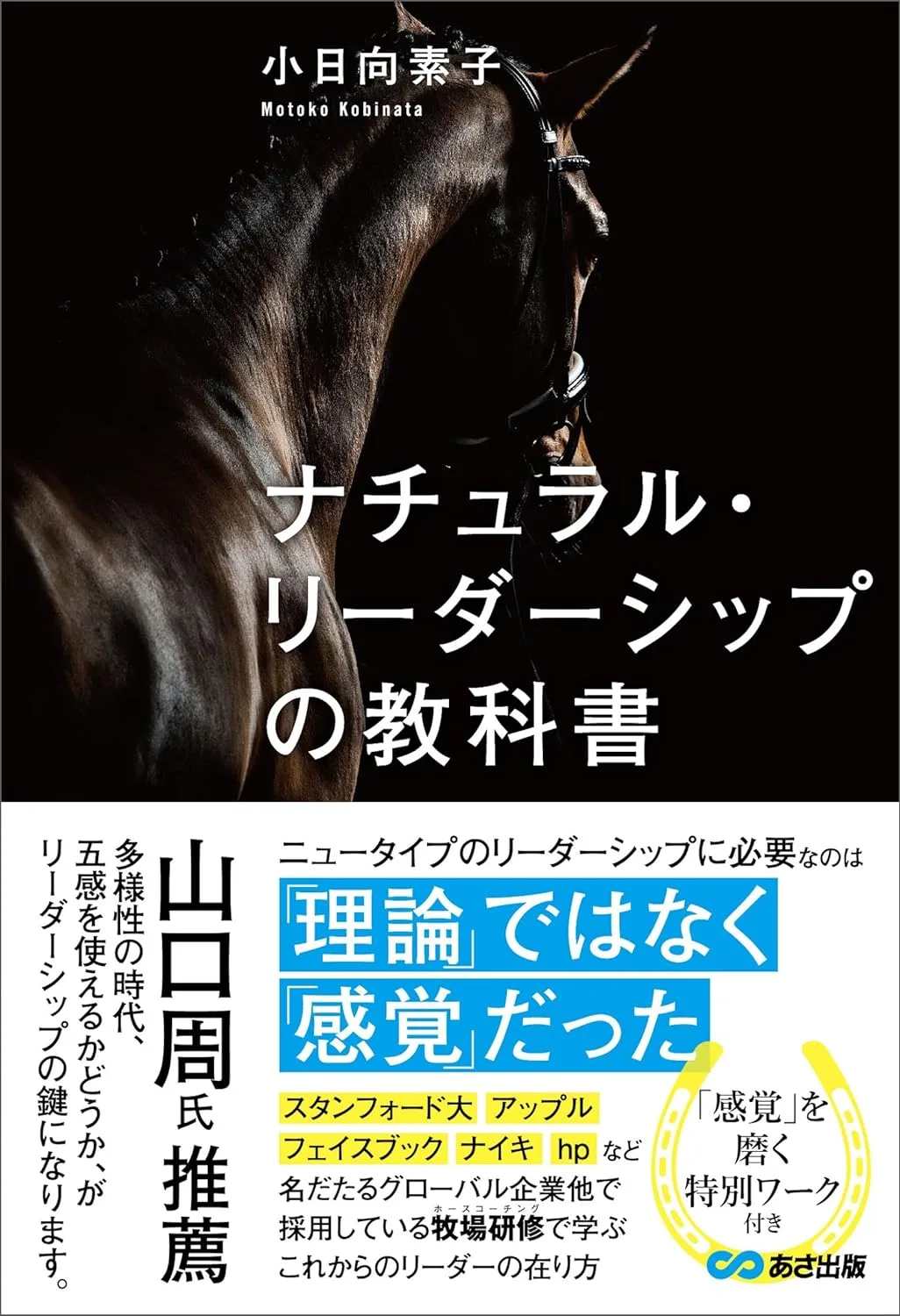
An acquaintance of mine, Motoko Kohinata, shared her book The Textbook of Natural Leadership (in Japanese) on Facebook. It came out on 7 February 2024, and that was what prompted me to pick it up. It is the first business book I have enjoyed in a long while, so I want to write about it — beginning with how we met.
Meeting Motoko Kohinata — Fourteen Years Ago, at a Book Lounge
I first came across her through Twitter. This was around 2010, when I had only just started using it, and she was running something called the Kokorouta Book Lounge. Her work interested me, and I went along to the lounge with Shuntarō Kondō, a tea master who runs a group called Avant-Garde Tea Gathering. That was how it began.
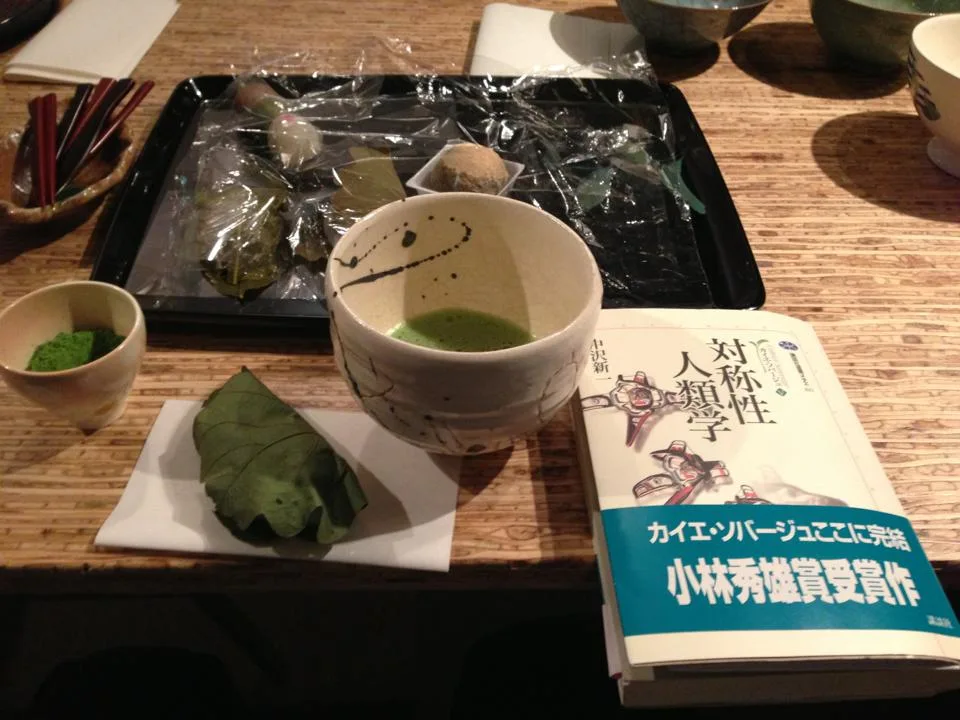
After that we found ourselves in the same rooms on a number of occasions — a talk by Ayami Yokohata, who had travelled around the world, and a reading group on Shin’ichi Nakazawa’s Symmetrical Anthropology, eight sessions in all, from September 2012 to April 2013, in Hiroo. And when I was living within walking distance of Gakugei-Daigaku Station in Tokyo, it turned out her family home was just nearby, which brought us closer still.
I was fortunate enough to give her Rolfing sessions in the early days of my practice. In 2016 she founded a company, COAS. She trained in Europe and the United States in learning from horses, and in 2017 she took on a ranch in Sapporo and moved there, where she began running leadership programmes built around horses.
Leadership programmes had interested me for some time, and this new book gathers what has come out of the work with more than two thousand participants — executives, managers, people starting their own businesses. I felt I had to read it, ordered it from Amazon on the day of publication, 7 February 2024, and did.
Sensation Before Theory
Since June 2015 I have been giving Rolfing sessions, one form of bodywork. When the axis inside a person comes into order, something in the mind shifts too. When the pelvis comes upright, decisions become easier. When the spine settles, the quieter voice becomes easier to hear. Body and mind are closely bound together — that much has become clear to me.
In her book, she writes about what she has found over ten years at the ranch in Sapporo — that a great deal that cannot be had in daily life is waiting in the natural world. Among the capacities a rapidly changing future will ask for, she singles out sensation. What today’s society asks for is not how does this feel but what ought to be done. Thinking comes first.
What Natural Leadership Means
To attend to sensation is to attend to what is inside a person. For me, it means working on being — the ground on which someone judges — rather than on action.
You could say that when the way you see the world changes, and the way you are changes, what you do changes with it. It reaches how you see the people around you, how you see your work, how you see your private life; and in feeling your way through the natural world, you become able to take the initiative in your own life. That, I take it, is what she has named natural leadership.
What makes the book unusual is that it sets out the steps for training this.
The steps are:
1. The individual changes within (lead self)
2. The relation between two people changes (lead relationship)
3. Relations within an organisation change (lead relationship with others)
and it is interesting to see what actions belong to each.
By nature — in animals as in people — sensation comes first, then feeling, then thought, and then action. But in the course of fitting into society from childhood, the order becomes thought, then sensation, then feeling, and sensation is the part that gets neglected. Which is to say, by the reasoning above, that action has come first and being has come after.
How Might Sensation Be Trained?
We need to recover our senses, and that begins with turning our attention back to each of them and feeling them keenly. Sight, hearing, interoception — all of these can be recovered. The book contains exercises for sharpening them, and I found them interesting. Here are a few.
Training Sight
Sight tends to follow only what is directly in front of it — a phone, a screen, the central field — and misses what is at the edges, the peripheral field. Working with the peripheral and central fields separately, and feeling the difference in how things look and how the body responds, changes thinking and behaviour.
Training Interoception
Just as there are organs that take in information from the five senses, there are sensors inside the body, sending information to the brain without pause. That is interoception. As it sharpens, more information comes from bodily sensation, and behaviour changes dramatically.
I have written before, in “Part 4: There Are Sensors on the Inside — The Vagus Nerve and Interoception,” about something remarkable in the human body: when we are with someone close to us, our heart rates and breathing fall into rhythm without our noticing.
The point is that if you understand your own interoception — your heart rate, say, or your breathing — then when you are up against something, or with someone you do not get on with, or attempting something difficult, making time to settle that sense raises the chance of getting through it.
She suggests an exercise for noticing what can be felt in the head and in the belly, and a body scan through the whole body. I practise yoga nidra, a body scan, and I can say from my own experience that it is useful for training interoception.
And the Others
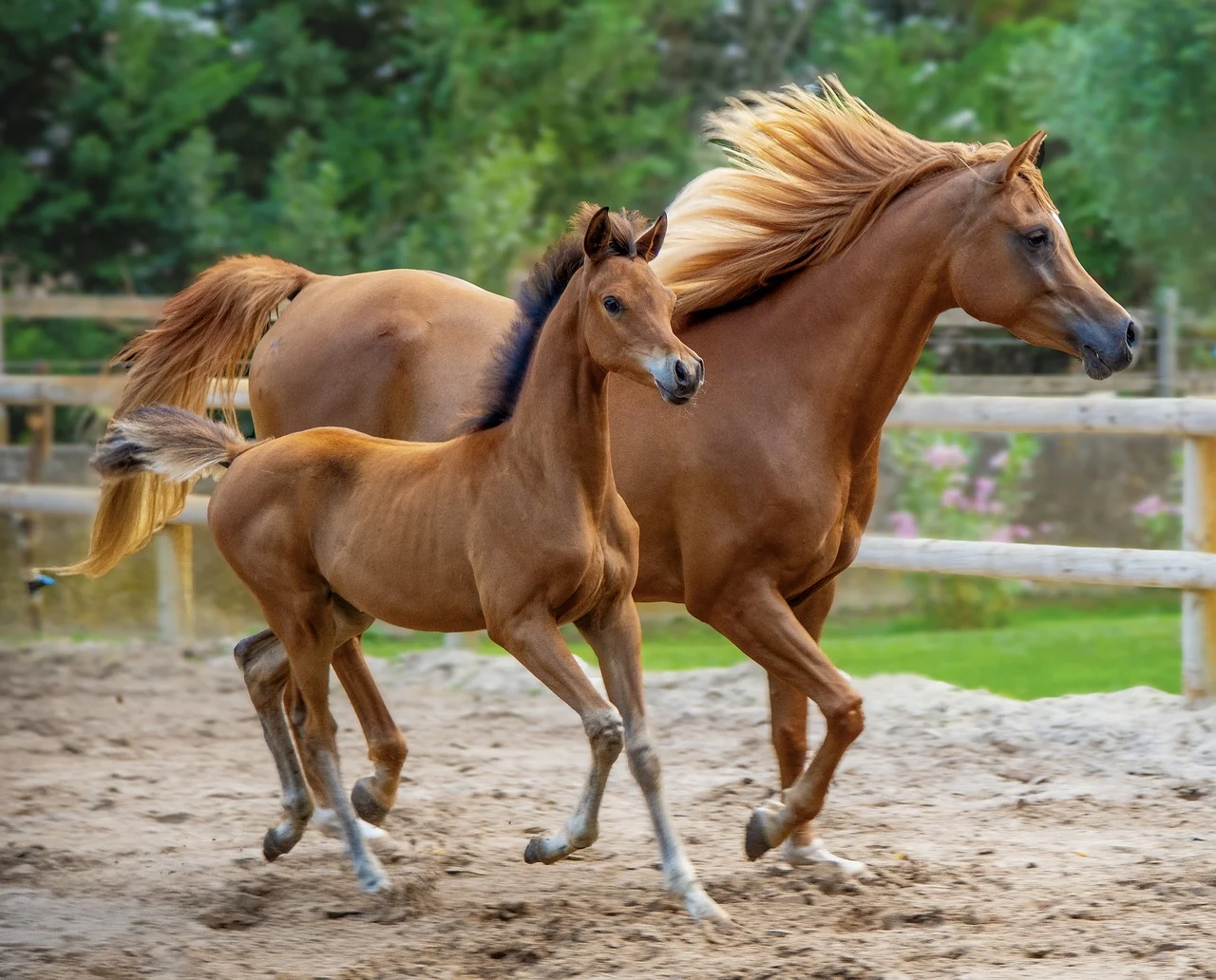
Last, there is an exercise done in pairs, for sight, hearing and interoception together. One person takes the part of the horse, the other the part of the person, and they stand ten metres apart. The one playing the horse stays still, and while the horse is standing, the other approaches slowly. When they come close enough that the horse takes a step back without meaning to, it ends.
The exercise is introduced as a way of learning about boundaries and distance between people. In Rolfing, we work in pairs too — from the left, from the right, from the front — and look at which angle brings the most tension into the body, and where a person’s difficult space lies.
In any case, it is striking that sharpening these senses should have so large an effect on how someone performs at work. I have great respect for her work, and it left me feeling again that I should look further into sensation and perception myself.
Conclusion
This piece has been about The Textbook of Natural Leadership (in Japanese) — what is in it, and the parts I found most interesting.
Note, September 2026
I learned of this book from her Facebook. And in 2010, when we first met, it was Twitter that told me about the Book Lounge, and I went along with Shuntarō Kondō. Fourteen years apart, the means had changed. Both times, I was the one who went looking.
Reading it, I noticed that I was receiving the book in the words I had been taught in Rolfing. Interoception. The peripheral field and the central field. And the exercise in pairs at the end. Every one of them is already part of the vocabulary of my work.
Of the exercise where the horse and the person approach one another, I wrote that in Rolfing we work in pairs from the left, the right and the front, and look at which angle brings the most tension. I wrote it as a resemblance.
That resemblance has since found somewhere to sit.
When Rolfing takes up this exercise, what it is looking at is space. The space a person feels around them has been shaped by where they grew up, by what they have been through, by the culture they carry. Which is why the angle that brings tension differs from one person to the next.
Whether the one approaching is a horse or a person, what is being measured there, I think, is the shape of the space that person holds.
Even so, it has not moved beyond resemblance. An exercise built inside another system is not something I can fully explain in my own terms. To say they are doing the same thing would still be saying too much.
At the end of the piece I wrote that I should look further into sensation and perception. How to handle perception is a question that has stayed with me since.