-
 english-blog
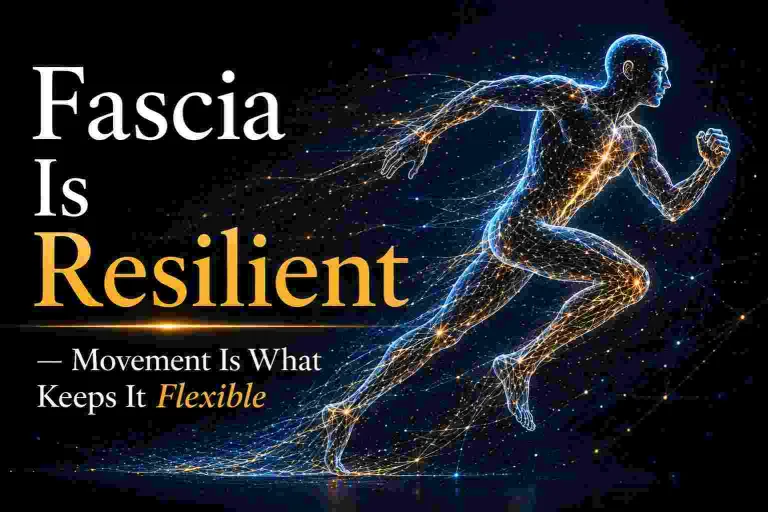
Fascia Is Resilient──Movement Is What Keeps It Flexible
Introduction Twice now I have written about fascia. The first time, that it is alive and connected. The second, that the same tissue senses. Seen […] -
 english-blog
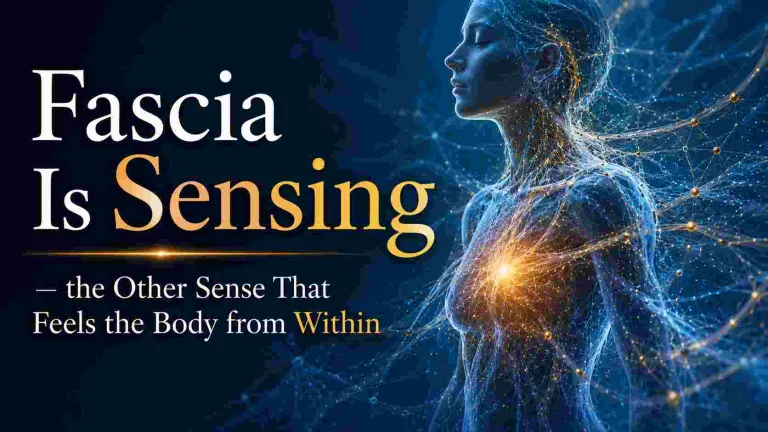
Fascia Is Sensing──the Other Sense That Feels the Body from Within
Introduction Last time I wrote about how fascia is alive — fascia as a living, flowing continuum that vanishes on a fixed specimen, a tissue […] -
 english-blog
Session 10: Integration — The Door to the Client’s Independence
The final session takes in the whole body. But what matters most here is not what gets done with the hands. Where Session 10 Sits […] -
 english-blog
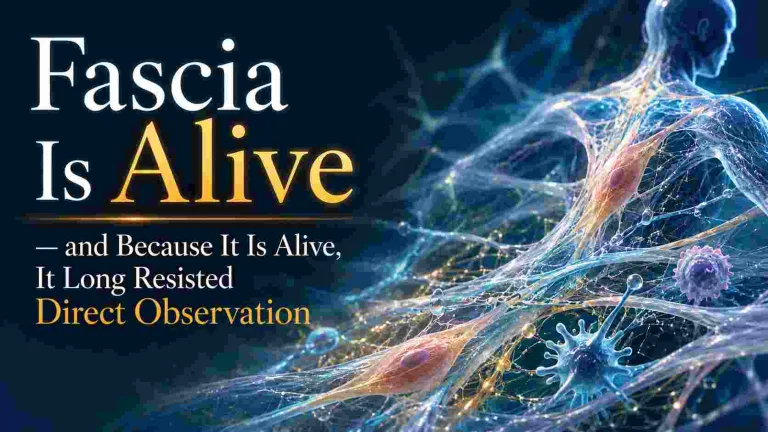
Fascia Is Alive──and Because It Is Alive, It Long Resisted Direct Observation
Introduction Rolfing is often said to work on the fascia. But what, exactly, is this fascia? This tissue tends to be reduced to a single […] -
english-blog
Session 9: Continuity — Out to the Hands and Feet
With the two girdles coordinating after session 8, session 9 carries that as far as the ends. The aim is a whole body in which […] -
 english-blog
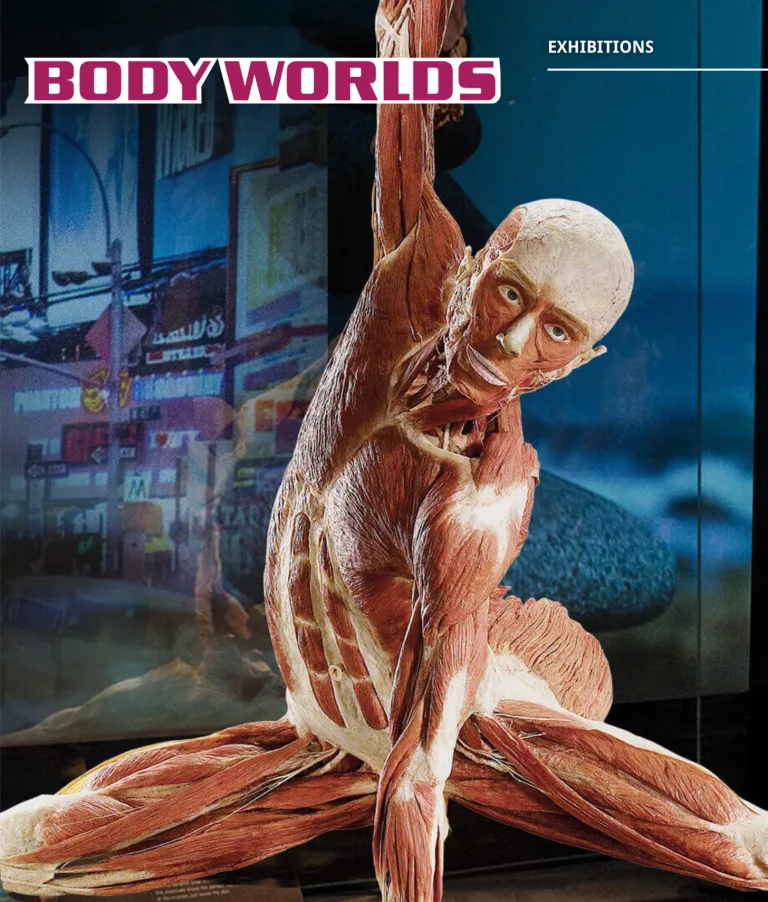
Seeing the Whole Body’s Fascia in Three Dimensions — What the FR:EIA Plastinate Made Visible
Introduction For a long time, fascia was anatomy’s supporting player. In order to observe muscles and organs, the connective tissue wrapping them was carefully stripped […] -
 english-blog
Healing, Correcting, Integrating — Three Paths of Manual Therapy, and the Border of What Science Can Explain
Introduction Massage, seitai, shiatsu, oil treatment, craniosacral work, and Rolfing — practices that touch the body with the hands are strikingly varied. Faced with these, […] -
 english-blog
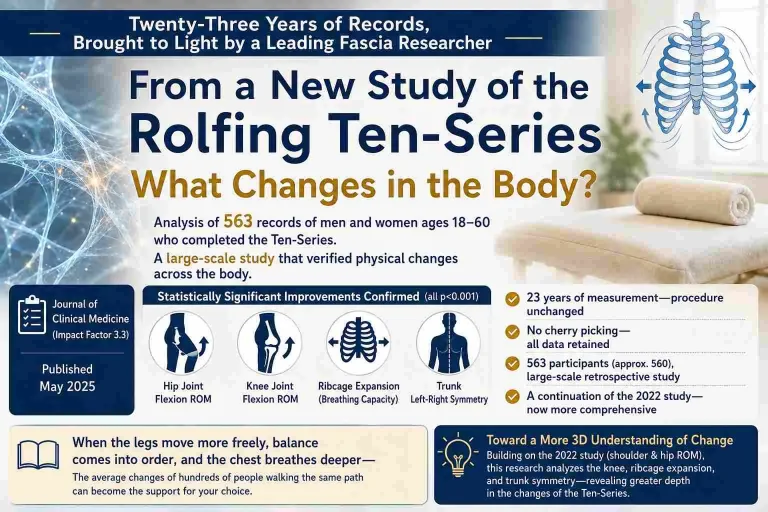
Twenty-Three Years of Records, Brought to Light by a Leading Fascia Researcher — From a New Study of the Rolfing Ten-Series
Introduction When someone receives the Rolfing Ten-Series, how does the body actually change? Is there anything known scientifically? I’m sometimes asked this. So, in this […] -
english-blog
Session 8: The Two Girdles — Shoulder and Pelvis
With every region organized by the end of session 7, session 8 opens the integration sessions. From here, the view shifts from the body as […] -
 english-blog
From Moving with the Head to Moving with the Body — On Fee Revision, and How Change Settles In
Introduction From June 15, I am revising the fees for Rolfing sessions. Last time I set out the reasons for the revision, centered on what […]