-
 english-blog
The History of Painting and the Body (3) — The Body Drawn as Line (Part Two): A Vanished Temple, and What Stays in Memory
A note for readers outside Japan: this is the second half of a two-part article. Titles of works follow the Nara National Museum’s official English […] -
 english-blog
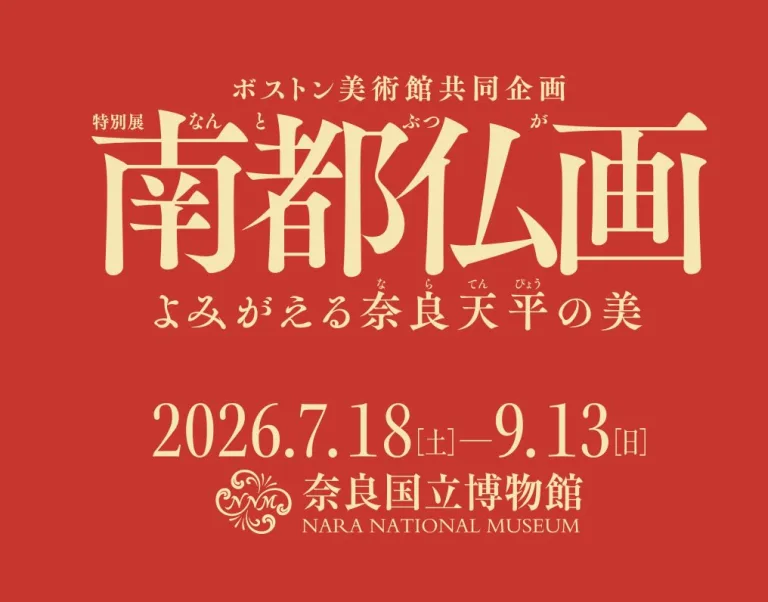
The History of Painting and the Body (3) — The Body Drawn as Line (Part One): Buddhist Painting, and Chōmyō of the Nara Ateliers
A note for readers outside Japan: the Nara National Museum provides an English-language page for this exhibition, and the titles of works used here follow […] -
 english-blog
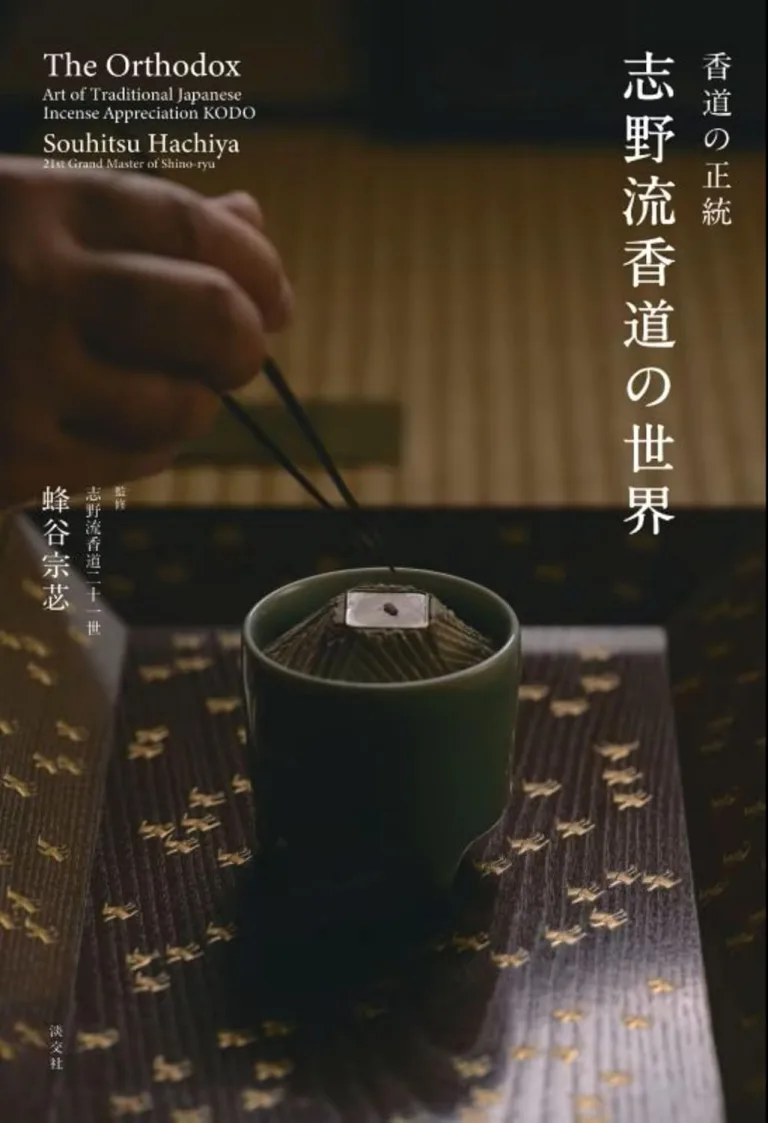
Kōdō, the Japanese Way of Incense: Listening to Scent, a Culture Received Through the Body
Introduction On 26 July 2026, I visited a special exhibition of Shino-ryū kōdō — the Shino school of the Way of Incense — held at […] -
 english-blog
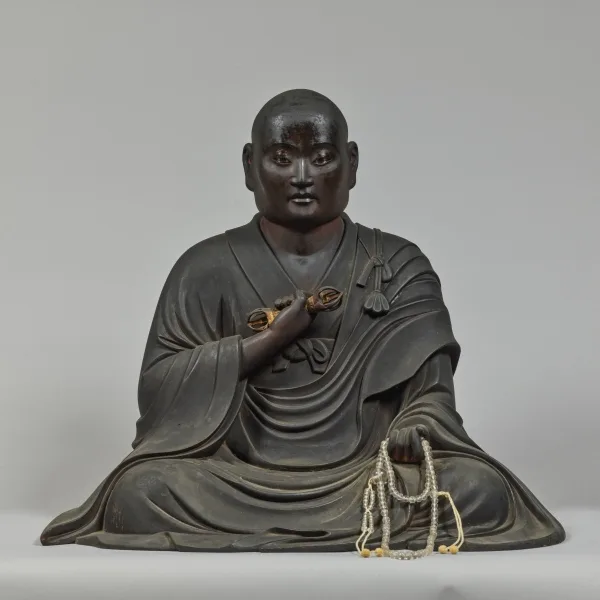
The Body Carved in Three Dimensions — From the “Kūkai and the Treasures of Shingon” Exhibition, Toward Shikoku
A note for readers outside Japan: the exhibition discussed here is presented with English-language information as well as Japanese, so it is accessible without reading […] -
 english-blog
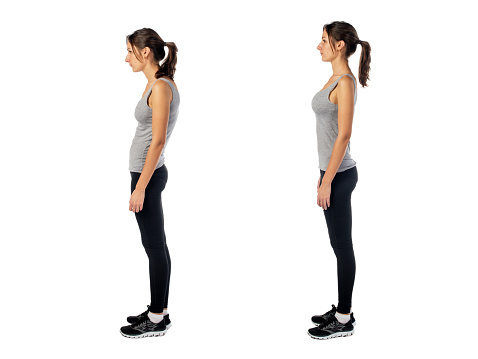
Why Touch Can Change the Body──Cells Sense Force
Introduction This series has followed four faces of fascia. It is alive. It senses. It springs back. And it changes. But one question remains unanswered […] -
 english-blog
That Low Back Pain May Be Fascia, Not Muscle──Fascia as a Source of Pain
Introduction When the lower back hurts, most of us picture muscle: muscle that is knotted, tight, or strained. In recent years another perspective has been […] -
 english-blog
Immune Cells Live in Fascia──Research on How Stretch May Help Resolve Inflammation
Introduction In earlier posts I looked at the sensing face of fascia and its springing face — a tissue that holds a dialogue with the […] -
 english-blog
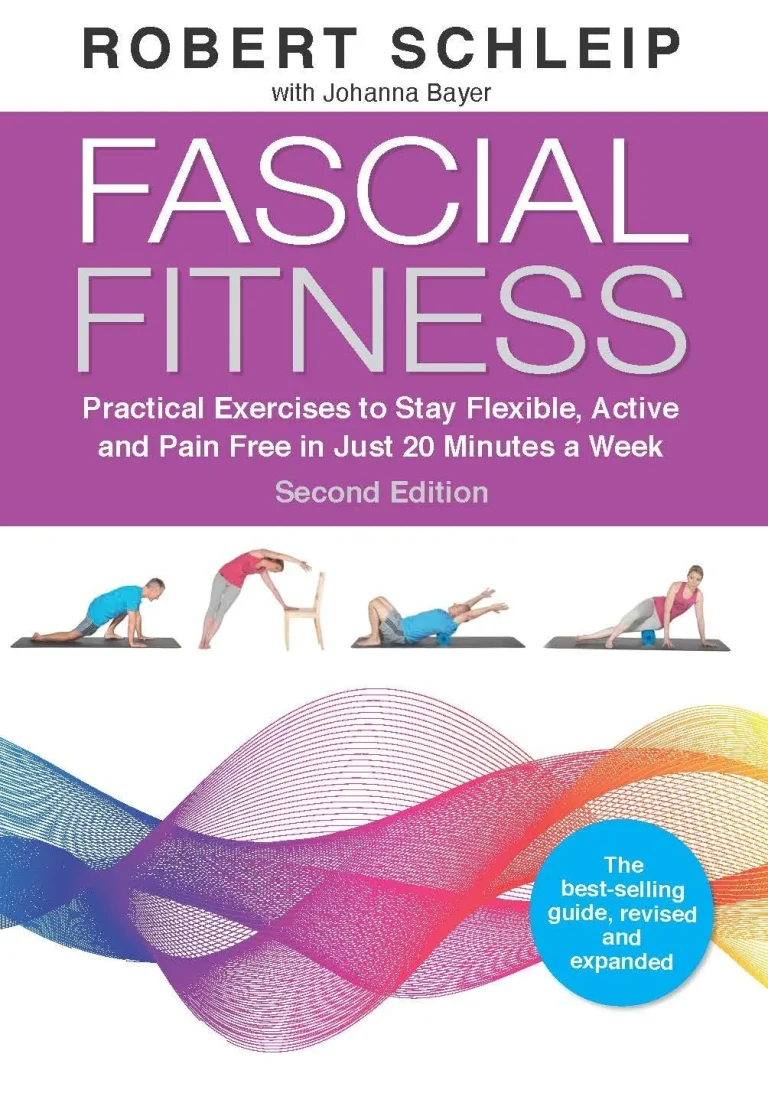
Strength Training Alone Will Not Make the Body Flexible──How Fascia Differs Between Those Who Move and Those Who Do Not
Introduction In another post I looked at fascia as a sensing organ — its face as a tissue that answers to being pushed, pressed, and […] -
 english-blog
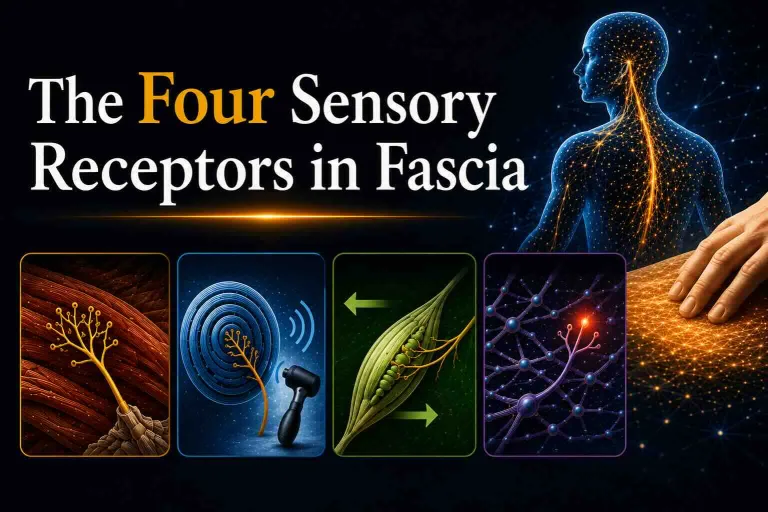
The Four Sensory Receptors in Fascia──How Touch Changes the Way the Body Answers
Introduction Fascia has several faces. That it is alive, that it senses, that it springs back, and that it changes — Rolfing lends a hand […] -
 english-blog
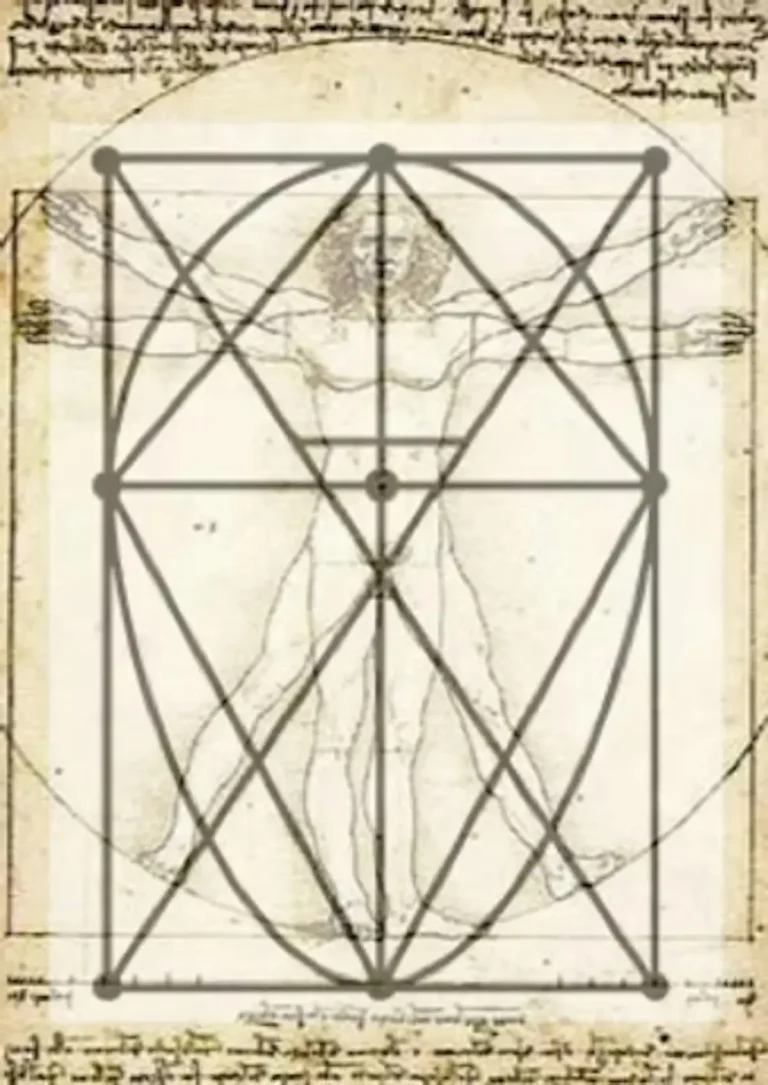
Source Point Therapy — A Summary of Fourteen Days Across Five Years of Training
I have set down eighteen pieces on Source Point Therapy (SPT) — an account of receiving it, and records of each module. Each of those […]